EDUCATION
Challenge
Access to quality education remains a significant challenge for children from vulnerable households in Kakamega County. Many children of teenage mothers, survivors of exploitative domestic work, and orphaned and vulnerable children (OVCs) face barriers such as poverty, inability to pay school fees, inadequate learning materials, and limited access to quality early childhood education. These challenges often result in delayed school enrollment, poor learning outcomes, absenteeism, and an increased risk of dropping out. Without access to a strong educational foundation during their formative years, many children remain trapped in cycles of poverty and exclusion, limiting their future opportunities and overall wellbeing.
Strategies we use
Early Childhood Education and School Readiness
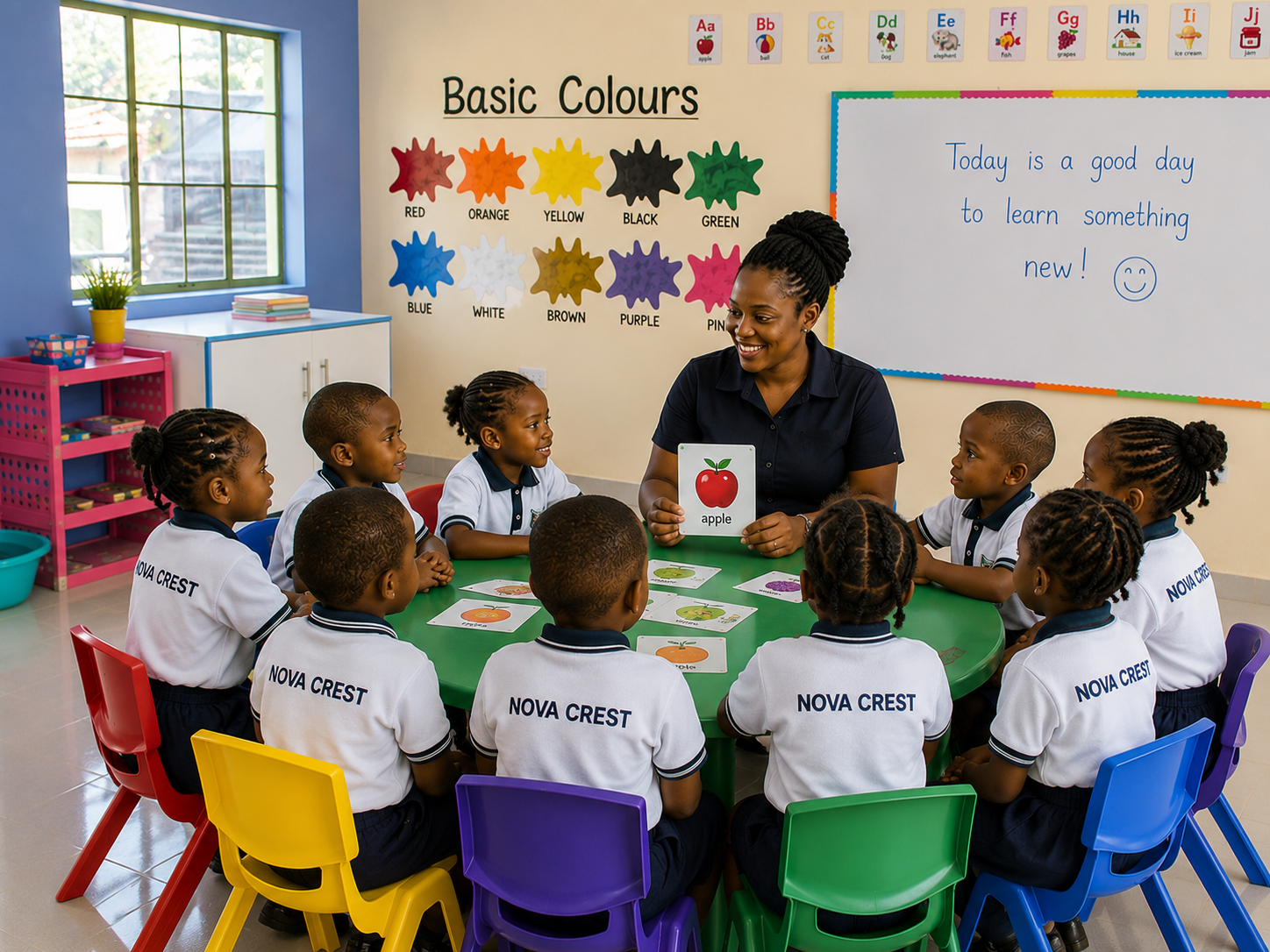
WE REACH promotes access to quality, inclusive, and affordable early childhood education for children from vulnerable households, particularly children of survivor mothers, teenage mothers, and orphans and vulnerable children (OVCs). Through our community school, we provide a safe and nurturing learning environment where children receive age-appropriate education that supports their cognitive, language, social-emotional, and physical development. We use play-based learning approaches, nutritious feeding programs, and structured learning activities. The program also incorporates child protection and psychosocial support to address the unique challenges faced by vulnerable children. By investing in children's development during their formative years, WE REACH helps improve school readiness, learning outcomes, and long-term educational success while reducing the risk of exclusion and intergenerational poverty.
Education Access and Family Empowerment
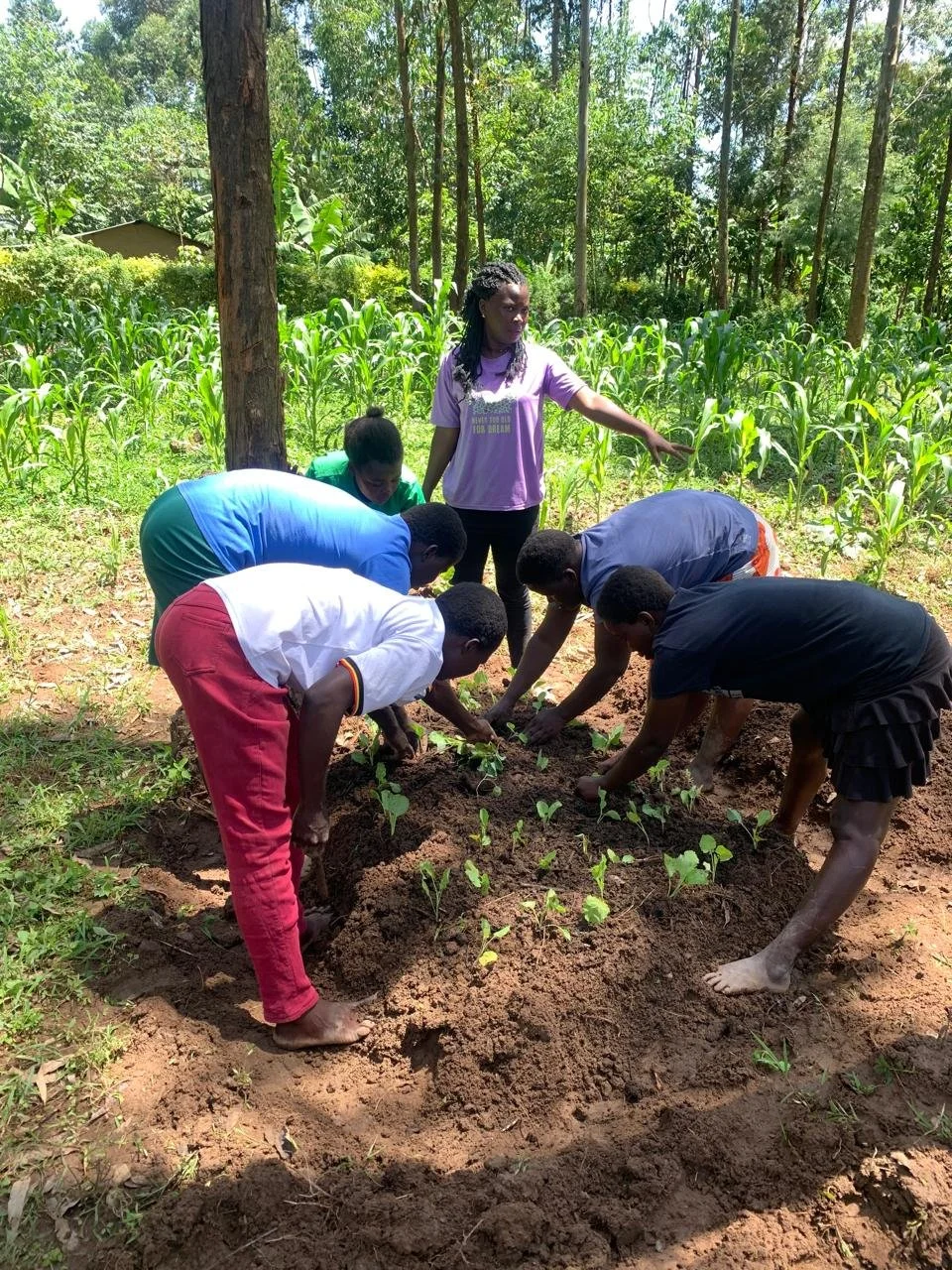
WE REACH recognizes that many vulnerable children are unable to access or remain in school because of poverty and financial hardship within their families. To address this challenge, we implement an innovative Cross-Subsidy Model that enables children of survivor mothers and other vulnerable households to access quality education at highly subsidized rates. At the same time, we empower parents and caregivers, particularly survivor mothers, through entrepreneurship training, financial literacy, tailoring, regenerative agriculture, and business development support. These interventions strengthen household incomes and improve parents' ability to sustainably support their children's education beyond direct project assistance. Through continuous mentorship, savings group linkages, and livelihood coaching, families become more economically resilient and better equipped to meet education-related costs. This integrated approach strengthens both educational access and household stability, creating lasting opportunities for children to thrive and succeed.